Eton Avenue upholstery cleaning for flats in NW3: a practical guide for better results
If you live on Eton Avenue or nearby in NW3, upholstery cleaning is one of those jobs that quietly makes a flat feel more comfortable straight away. A sofa that has picked up city dust, a dining chair with a few food marks, or an armchair that has lost its freshness can make a room feel tired even when everything else is tidy. Eton Avenue upholstery cleaning for flats in NW3 is not just about looks, either. It is about care, fabric life, indoor air quality, and making the most of the furniture you already own.
Flats around this part of North West London can come with their own little complications: tighter stairwells, controlled access, limited parking, and furnishings that need a careful hand. That is exactly why a thoughtful approach matters. In this guide, you will find how upholstery cleaning works, what to expect, what can go wrong, and how to get the best outcome without turning it into a faff.
Table of Contents
- Why Eton Avenue upholstery cleaning for flats in NW3 matters
- How Eton Avenue upholstery cleaning for flats in NW3 works
- Key benefits and practical advantages
- Who this is for and when it makes sense
- Step-by-step guidance
- Expert tips for better results
- Common mistakes to avoid
- Tools, resources and recommendations
- Law, compliance, standards, or best practice
- Options, methods, or comparison table
- Case study or real-world example
- Practical checklist
- Conclusion
- Frequently asked questions
Why Eton Avenue upholstery cleaning for flats in NW3 Matters
Upholstery works hard in a flat. Sofas are used for everything from morning coffee to film nights, occasional work-from-home sessions, and the odd nap you did not plan. Fabric absorbs skin oils, airborne dust, pet hair, food crumbs, and everyday grime. Over time, that build-up can make cushions look dull, flatten the texture, and leave a stale smell that no amount of opening the window seems to shift.
In flats, this matters even more because the living space is often compact and multi-purpose. One worn sofa can affect the whole room. If you have visitors, rent your home out, or simply want the place to feel calm again, a proper clean can make a noticeable difference. Truth be told, people often notice the sofa before they notice anything else.
There is also a practical angle. Good upholstery care can help extend the life of fabric, reduce the need for premature replacement, and protect items that are expensive to reupholster or replace. For flats on Eton Avenue and across NW3, that can be a sensible investment rather than a luxury.
If you are planning wider home care, it can help to think about upholstery as part of a broader routine. Some households combine it with domestic cleaning, while others book a more focused deep cleaning service when the flat needs a fuller reset.
How Eton Avenue upholstery cleaning for flats in NW3 works
Most upholstery cleaning follows a careful sequence, but the exact method depends on the fabric type, the condition of the furniture, and the access available in the flat. A good cleaner will usually start with an inspection. That means checking the fabric label, identifying stains, and noting any wear, loose stitching, delicate trims, or colour fading.
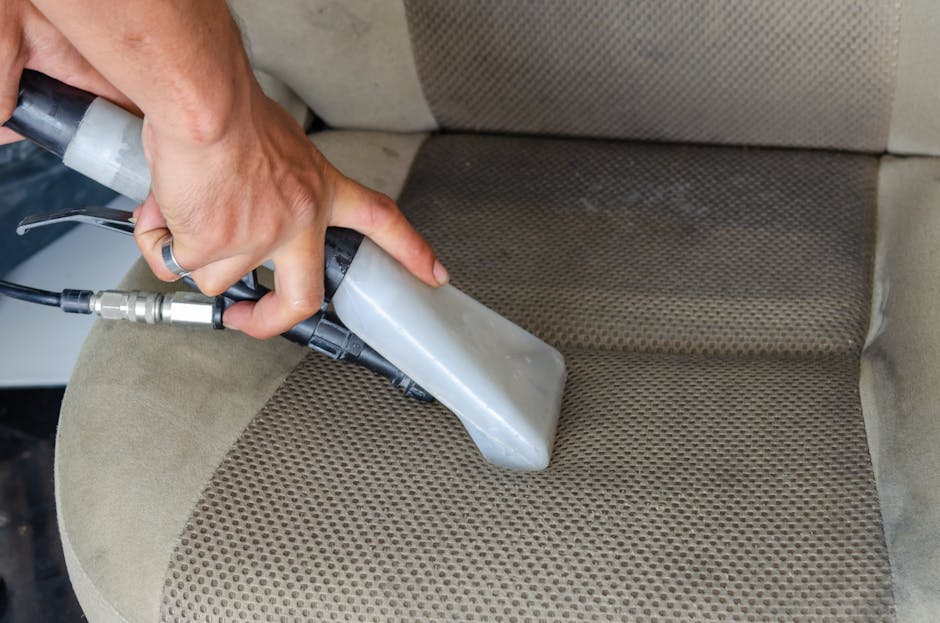
From there, the process often includes dry soil removal, spot treatment, and a suitable cleaning technique. For many fabric sofas and chairs, hot water extraction or low-moisture cleaning may be used. For more delicate materials, a gentler process is needed. Not every fabric can take the same treatment, and trying to force a one-size-fits-all approach is how people end up with water marks or texture distortion. Nobody wants that after making the effort.
In flats, setup matters as much as chemistry. Protecting floors, moving small items, managing hose routes, and keeping noise and disruption reasonable are all part of a tidy job. If you live in a building with narrow hallways or lift restrictions, the cleaner should plan for that in advance so the job runs smoothly rather than becoming a shuffle of cushions and cables through the corridor.
For larger furnishings or especially soiled items, upholstery cleaning may be paired with related services such as sofa cleaning or rug cleaning when the room needs a more consistent finish across soft furnishings.
Key Benefits and Practical Advantages
The obvious benefit is visual. Clean upholstery looks brighter, feels fresher, and gives the room a calmer, more cared-for appearance. But the advantages go beyond that first impression.
- Better hygiene: upholstery traps dust and debris that vacuuming alone does not fully remove.
- Longer fabric life: routine care helps slow down the wear caused by embedded grit and everyday use.
- Odour reduction: cleaning can reduce lingering smells from food, pets, smoke, or general day-to-day use.
- Improved comfort: fabric feels more pleasant when it is not carrying old residue or tackiness.
- Better presentation: useful for landlords, tenants, hosts, or anyone preparing for guests.
There is another advantage people sometimes overlook: cleaning can help you make a decision about furniture. If a sofa comes up well, you keep it longer. If a chair is still stained after a proper attempt, you know it may need repair or replacement. Either way, you get clarity. That alone is worth something.
For households that want a more complete refresh, upholstery cleaning often sits neatly alongside carpet cleaning and window cleaning. It is the sort of combination that can make a flat feel properly aired out, even on a damp London day.
Who This Is For and When It Makes Sense
This service is a good fit for a wide range of flats and households in NW3. You might need it if your furniture is visibly marked, if the flat has had a lot of foot traffic, or if you simply want to keep things in better shape between bigger cleans.
It also makes sense in specific situations:
- Before a tenancy ends, when you want the flat to look cared for.
- After a busy season of hosting guests, children, or pets.
- When moving into a new flat and you want a cleaner starting point.
- After a spill that has soaked into the fabric and left a visible mark.
- When a sofa or chair has started to smell musty, even though it looks okay at first glance.
It is also useful for smaller tasks that do not justify replacing a piece of furniture. A lot of people assume a stained armchair is beyond saving. Sometimes it is. Often it is not. The only sensible answer is to inspect it properly.
If your flat has recently had decorating or renovation work, dust can settle on soft furnishings more quickly than expected. In that case, upholstery care may sit naturally alongside after builders cleaning, especially if the whole place needs a reset rather than one isolated service.
Step-by-Step Guidance
If you want good results, the process should be methodical. Rushing is where problems begin.
- Identify the fabric. Check labels, supplier notes, or previous care instructions. Velvet, wool blends, synthetics, and leather all behave differently.
- Test for colour fastness. A small hidden area should be checked before any wet treatment. This is basic good practice, not an optional extra.
- Remove loose soil. Vacuum the furniture carefully, including seams, joins, and under cushions where crumbs and dust settle.
- Treat visible spots. Stains are assessed by type. Food, grease, drink spills, and body oils usually need different approaches.
- Apply the chosen cleaning method. This may involve low-moisture cleaning, extraction, foam, or other fabric-safe techniques.
- Control drying. Good airflow matters. In a flat, that may mean open windows, mild heating, and avoiding over-wetting the fabric.
- Inspect the results. Check for remaining marks, damp patches, texture changes, or areas that need a second pass.
One thing to remember: a better clean is usually more about judgement than brute force. Too much water and too much product can be worse than a restrained, careful approach. A service that takes time to assess the piece is usually the safer bet.
Expert Tips for Better Results
Here is where small habits pay off. You do not need to be a fabric technician to protect your furniture, but a few smart choices go a long way.
- Vacuum regularly. Dust and grit are abrasive. Removing them before they sink deeper into fibres helps a lot.
- Rotate cushions. This spreads wear more evenly and keeps one seat from flattening faster than the others.
- Deal with spills quickly. Blot, do not rub. Rubbing pushes the liquid deeper and can spread the mark.
- Keep an eye on sunlight. In bright rooms, repeated exposure can fade some fabrics. It happens gradually, then all at once, annoyingly.
- Use the right method for the fabric. What works on a polyester blend may not suit a delicate weave or natural fibre.
- Plan around drying time. In a flat, drying space is limited, so scheduling matters. Clean furniture when you can keep the room free for a few hours.
In our experience, the best results come when people treat upholstery cleaning as maintenance, not rescue work. Once a sofa is heavily embedded with grime, cleaning is still possible in many cases, but the improvement is harder won. That is fair enough.
Common Mistakes to Avoid
A lot of upholstery damage is preventable. The problem is that people often act quickly and intuitively, which is understandable but not always helpful.
- Using random household sprays: some products bleach or leave sticky residue that attracts more dirt.
- Soaking the fabric: excess moisture can leave rings, cause long drying times, or affect filling underneath.
- Scrubbing hard: this can rough up the fibres or spread the stain.
- Ignoring the label: cleaning instructions exist for a reason, even if they are annoyingly small and tucked away.
- Assuming all stains are the same: coffee, grease, ink, and protein-based spills behave differently.
- Skipping a test patch: one small check can save a very expensive mistake.
A quieter mistake is not thinking about the flat itself. A cleaning method that works easily in a house may need adapting in a top-floor flat with narrow access, shared entrances, or delicate flooring. The best providers plan for that. They should.
Tools, Resources and Recommendations
You do not need a room full of equipment to keep upholstery in shape, but the right tools make a meaningful difference. For basic care, a reliable vacuum with a fabric attachment, clean white cloths, a soft brush, and a gentle fabric-safe spot treatment are the usual starting points.
For professional cleaning, look for a company that can explain how they assess fabric type, how they handle drying, and what they do about stubborn marks. Clear communication is a good sign. So is tidy setup, careful protection of nearby surfaces, and sensible expectations about what cleaning can and cannot fix.
If you are comparing services, you may also want to review the company's wider standards and practical information. Pages such as pricing and quotes, insurance and safety, and health and safety policy are useful because they tell you how the business works, not just what it sells.
Depending on the rest of the flat, you might also pair upholstery cleaning with one-off cleaning if you are preparing for guests, an inspection, or a seasonal refresh. It is a simple way to cover the areas most people actually notice first.
Law, Compliance, Standards, or Best Practice
For upholstery cleaning in flats, the main compliance concern is safe, responsible working rather than any dramatic legal complexity. In the UK, a professional cleaner should use products and methods carefully, respect the fabric manufacturer's guidance where available, and avoid creating avoidable risks for the household or the building.
Best practice usually includes:
- checking access and protecting communal areas where needed;
- using cleaning solutions appropriately and not over-applying them;
- being careful around electrical items, cables, and nearby furnishings;
- communicating drying times clearly;
- working in line with sensible site safety procedures and insurance expectations.
In a flat, good practice also means being considerate. Noise, fumes, odour, and shared hallways all matter. A professional approach should reduce disruption, not create it. If you are ever unsure, ask about the method before work starts. That is not being fussy; it is being sensible.
For reassurance on company standards, some readers prefer to look at pages such as terms and conditions and privacy policy. Those pages help clarify how bookings, data, and service expectations are handled.
Options, Methods, or Comparison Table
Different upholstery jobs call for different methods. The right choice depends on fabric type, stain severity, drying constraints, and how much disturbance the flat can accommodate.
| Method | Best for | Advantages | Watch-outs |
|---|---|---|---|
| Vacuum and spot treatment | Light refresh and routine care | Quick, low disruption, good for maintenance | Won't remove deep grime or older stains |
| Low-moisture cleaning | Flats where drying space is limited | Faster drying, less saturation | May need more than one pass for stubborn dirt |
| Hot water extraction | Durable fabrics with heavier soiling | Deep soil removal, strong refresh effect | Needs careful drying and correct fabric matching |
| Specialist delicate-fabric cleaning | Velvet, natural fibres, sensitive upholstery | Reduced risk of fibre damage | More methodical and sometimes slower |
If you are unsure which is best, ask for an inspection rather than guessing. A decent provider will explain the trade-offs plainly. Not every piece needs a deep wet clean, and that is okay.
Case Study or Real-World Example
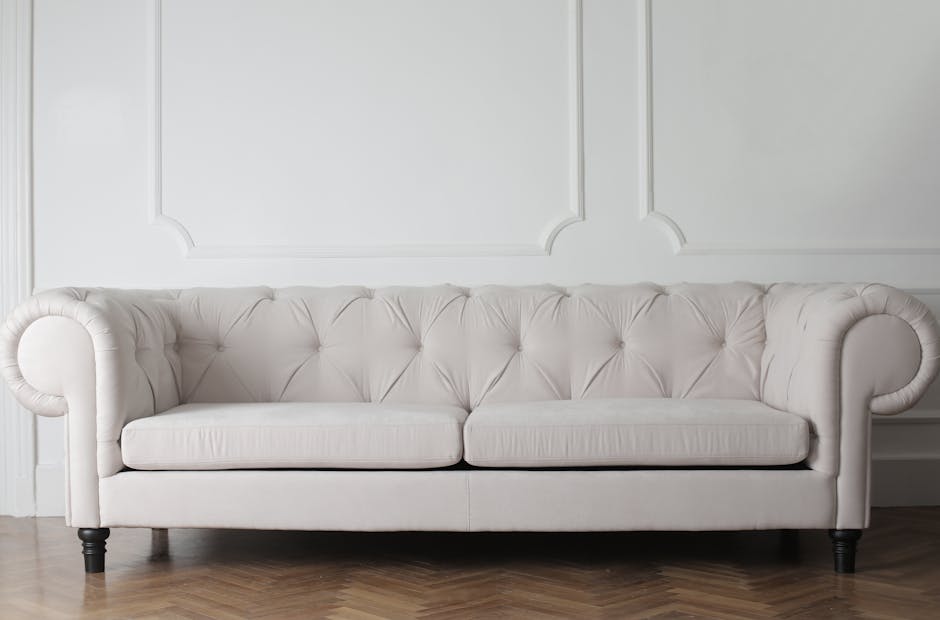
A common NW3 scenario goes like this: a two-bedroom flat has a light-coloured fabric sofa in the sitting room. It looks mostly fine from across the room, but up close there are armrest marks, a few food spots, and a greyed patch where people always sit. The resident has been doing the usual vacuuming, but the sofa still makes the room feel a bit tired.
In that kind of job, the cleaner would usually inspect the fabric, test a hidden area, vacuum thoroughly, treat the armrests and main seating zones, then clean the whole piece evenly so it does not end up patchy. The result is not a miracle. You should not expect a brand-new sofa. But the difference can be striking: cleaner lines, fresher colour, less odour, and a room that suddenly feels looked after again.
That is the part people often talk about afterwards. Not just that the sofa was cleaner, but that the flat felt calmer. A small win, maybe. Still a win.
If the flat needs additional support around regular upkeep, a combined arrangement with home cleaners can be useful for keeping soft furnishings, floors, and everyday surfaces in decent shape over time.
Practical Checklist
Use this checklist before booking or carrying out upholstery cleaning in a flat:
- Check the fabric label or care notes.
- Identify the main problems: stains, odour, dust, pet hair, or general dullness.
- Take a few quick photos so you can compare before and after.
- Move small items off the furniture and clear nearby surfaces.
- Ask how the cleaner plans to protect floors and surrounding areas.
- Confirm the expected drying time.
- Ask whether delicate trims, buttons, or mixed materials need special care.
- Keep windows accessible if ventilation will be needed.
- Plan around visitors, work calls, or school pickup times so the room can dry peacefully.
- Inspect the result before putting cushions and throws back in place.
Expert summary: the best upholstery cleaning in NW3 is careful, fabric-aware, and realistic. It should freshen the flat without flooding the room, over-promising results, or treating every sofa like the same job.
Get a free quote today and see how much you can save.
Conclusion
Eton Avenue upholstery cleaning for flats in NW3 is most valuable when it is done with judgement, care, and a proper eye for the fabric in front of you. In a compact London flat, soft furnishings shape how the whole place feels. Clean upholstery can brighten a room, reduce lingering smells, and help furniture last longer, which is why it often delivers more value than people expect.
If you are weighing up whether to book, start with the condition of the furniture and the way the flat is used. That usually tells you enough. A simple refresh may be all that is needed, or you may decide the sofa needs a more detailed treatment. Either way, the goal is the same: a home that feels comfortable, lived-in, and properly cared for. And honestly, that feeling matters more than people admit.
A well-kept flat has a quiet kind of dignity about it. That is worth looking after.
Frequently Asked Questions
What is included in upholstery cleaning for flats in NW3?
It usually includes inspection, vacuuming, stain treatment, the main cleaning method suited to the fabric, and drying guidance. The exact process depends on the furniture and how delicate it is.
How often should I get upholstery cleaned in a flat?
That depends on use. A busy family home, a flat with pets, or a light-coloured sofa in daily use may need attention more often than a spare room chair that hardly gets sat on.
Can upholstery cleaning remove old stains?
Sometimes, yes. Sometimes not fully. Age, stain type, and previous DIY attempts all affect the outcome. A careful inspection is the best way to judge what is realistic.
Will the furniture take long to dry?
Drying time varies by method, fabric, ventilation, and how much moisture was needed. In a flat, airflow matters a lot. Opening windows and giving the room space helps more than people think.
Is upholstery cleaning safe for delicate fabrics?
It can be, provided the method matches the fabric. Delicate materials need a gentler approach and usually a more cautious test patch before the main clean.
Should I book upholstery cleaning together with carpet cleaning?
If both the furniture and floors are looking tired, yes, that often makes sense. It can create a more even finish throughout the room and saves you repeating setup work.
What should I do before the cleaner arrives?
Clear small items, check access routes, note any stains you want looked at, and make sure the cleaner can reach windows if ventilation will be needed. A little prep helps the job run smoothly.
Can upholstery cleaning help with smells?
Yes, often it can. It may reduce stale smells from everyday use, pets, or food. If there is a deeper source of odour, though, that may need additional treatment.
What if my flat has limited space or awkward access?
That is common in NW3, so it is not unusual. A good cleaner should plan for narrow hallways, stair access, and shared entrances and work carefully so the flat and building stay protected.
Is it worth cleaning an older sofa, or should I replace it?
It depends on the frame, fabric condition, and comfort level. If the sofa is structurally sound, a proper clean can often make it feel worthwhile again. If it is sagging or damaged, cleaning may only be part of the answer.
How do I choose a trustworthy upholstery cleaning service?
Look for clear explanations, sensible expectations, insurance and safety information, and a method that suits your furniture rather than a generic promise. Good communication is usually a strong sign.
What other services can be useful alongside upholstery cleaning?
Depending on the flat, you might also consider a professional cleaning company, house cleaning, or end of tenancy cleaning if you are moving out or preparing a property for inspection.