Belsize Park Gardens rug cleaning and stain removal guide
If you have ever looked down at a favourite rug and spotted a fresh coffee mark, muddy footprint, or something more mysterious, you already know how quickly a small mess can become a bigger headache. This Belsize Park Gardens rug cleaning and stain removal guide is here to help you handle those everyday problems calmly and properly, without wrecking the fibres or making the stain spread. Rugs are not just floor coverings; they soften a room, quieten footsteps, and often carry a fair bit of money and memory with them. So yes, they deserve a sensible approach.
In this guide, you will learn how rug cleaning works, which stain-removal methods are safe, what to avoid, and when a professional clean is the better call. We will keep it practical, local, and honest. No fluff. Just the sort of advice that helps when the clock is ticking and the stain is staring back at you.
Why Belsize Park Gardens rug cleaning and stain removal guide Matters
Rugs attract more than dirt. They collect crumbs, dust, pet hair, outdoor grit, and the occasional spill that happens when life is moving a bit too fast. In a busy home, especially one with children, pets, or frequent visitors, a rug can start to look tired long before it is actually worn out. That is why a good rug cleaning routine matters so much: it protects the textile, keeps colours looking sharper, and helps the whole room feel fresher.
There is also the practical side. A stained rug can become harder to clean the longer it sits, because liquids sink deeper into the pile and residues start bonding with fibres. A mark that looked manageable at 8pm can be a much more stubborn patch the next morning. Bit unfair, really, but there it is. Prompt treatment usually gives you more options and a much better result.
For local homes in and around Belsize Park Gardens, the mix of older properties, modern flats, and well-used family spaces means rugs often need more than a quick vacuum. Fine wool rugs, handwoven pieces, and synthetic runners all respond differently to moisture, heat, and cleaning chemicals. Understanding those differences helps you avoid damage and decide whether a gentle home clean or a deeper treatment is the smarter move.
If you are already looking beyond basic maintenance, it can help to compare rug care with broader fabric cleaning services such as upholstery cleaning or sofa cleaning, because the same principle applies: fibre type, dye stability, and drying time all matter.
How Belsize Park Gardens rug cleaning and stain removal guide Works
Good rug cleaning starts with identification. Before you reach for any liquid, you need to know what the rug is made from and what kind of stain you are dealing with. Wool, cotton, sisal, silk blends, and synthetic fibres all behave differently. A stain from red wine needs a different approach from grease, mud, ink, or pet accidents. That sounds obvious, but in practice people often jump straight to scrubbing. That is where trouble starts.
The general process is simple enough:
- Assess the rug. Check the label if it has one, then look at the weave, backing, and colourfastness.
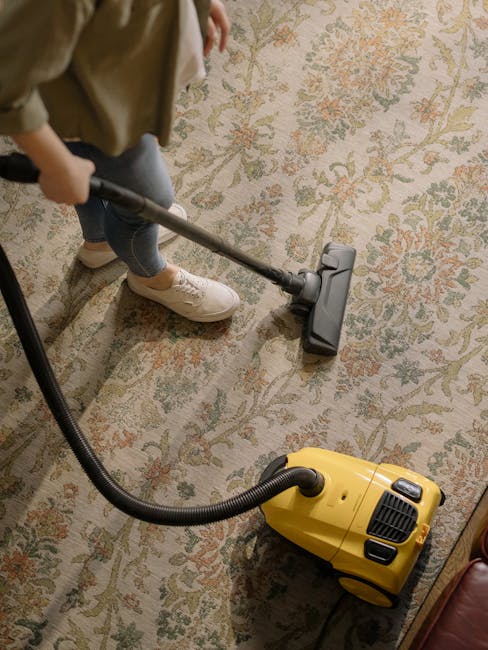
- Remove dry debris first. Vacuum gently or lift solids with a spoon or blunt edge.
- Test any solution. Use a small hidden area to see whether colours bleed or fibres react badly.
- Treat the stain from the outside in. Blot, do not grind.
- Rinse carefully. Residue left behind can attract more dirt.
- Dry thoroughly. Airflow matters. Damp rugs can smell musty very quickly.
Stain removal is not just about "making it disappear." It is about preventing spread, fibre distortion, colour loss, and water marks. A careful, staged process usually beats aggressive cleaning every time. Truth be told, rugs are a bit like people: they respond better when you do not shout at them with chemicals.
In many homes, a sensible maintenance routine combines vacuuming, immediate spill response, and an occasional deeper clean. If the rug is heavily used or visibly grubby, a dedicated rug cleaning service may be more suitable than trying to push through with household products alone.
Key Benefits and Practical Advantages
The benefits of proper rug cleaning go well beyond appearances. A clean rug changes how a room feels underfoot, how it smells, and even how long the rug lasts. You notice it when you walk in. The room feels calmer, and the fibres look less matted. Small improvement, but it adds up.
- Longer rug life: Dirt particles act like grit in the pile. Removing them reduces wear.
- Better stain control: Fast treatment often prevents permanent marking.
- Improved indoor freshness: Rugs can hold odours from cooking, pets, damp shoes, and general daily use.
- Safer surfaces: Some sticky spills can leave a tacky patch that attracts more grime.
- Better room presentation: A clean rug makes the whole space look more cared for.
There is also a decision-making advantage. Once you know how to judge stain type and rug material, you stop guessing. That alone can save time and a fair bit of frustration. And if you live in a property where presentation matters, such as a rental or shared home, keeping rugs clean can make routine inspections far less stressful.
For homes that need broader support, a professional deep cleaning visit can help reset a room rather than just patching visible marks. Sometimes that is the difference between "looks okay" and "actually feels clean."
Who This Is For and When It Makes Sense
This guide is useful for anyone looking after a rug at home, but it is especially helpful if you are dealing with one of these situations:
- A spill has happened and you want to act quickly without making it worse.
- The rug has an old stain that keeps coming back after drying.
- You are moving out and need the property to look well cared for.
- You have pets, children, or a busy household with regular foot traffic.
- The rug is expensive, handmade, antique, or sentimental.
- You have tried a few home remedies and the result is patchy.
It also makes sense if you are comparing whether to clean the rug yourself or bring in help. A small synthetic mat in a hallway is one thing. A wool rug in a living room that cost real money is another entirely. No shame in handing over the difficult jobs. In fact, that is usually the wiser choice.
If the rest of the property needs attention too, it may be worth looking at house cleaning or domestic cleaning for a more joined-up refresh, especially after a busy season, a renovation, or a big family event.
Step-by-Step Guidance
Here is a sensible, low-risk approach to rug stain removal. It works for many common household spills, though you should always adjust based on material and stain type.
1. Act quickly, but do not panic
Speed helps, but panic makes people scrub too hard. Start by lifting any solids or soaking up fresh liquid with plain white paper towel or a clean microfibre cloth. Press gently. Repeat with fresh cloths until little moisture is transferring.
2. Identify the stain
Ask yourself what caused it. Food, drink, mud, oil, makeup, pet accident, ink, or paint? Each one has a different behaviour. Mud, for instance, is often easier to tackle once fully dry and crumbly. Grease needs a different tactic entirely. If you are unsure, keep the treatment mild at first.
3. Check the rug fibre
Wool needs care. Silk needs even more care. Synthetic rugs are often more forgiving, but they are not indestructible. Jute and sisal can brown or distort if over-wet, so avoid soaking them. If the label is missing, assume the rug is more delicate than it looks. That is a decent rule of thumb.
4. Test in a hidden spot
Use a small amount of your chosen solution on a tucked-away corner. Wait for it to dry. If colour moves, the fibres roughen, or the backing reacts, stop there. This step takes a few minutes and can save a ruined rug. Easy choice, really.
5. Blot with a mild cleaning solution
For many fresh water-based stains, a little cool water with a tiny amount of gentle, pH-neutral detergent can help. Apply lightly to the cloth, not directly onto the rug. Work from the outer edge toward the centre so the stain does not spread. Then blot with a clean, damp cloth to remove residue.
6. Deal with specific stains carefully
- Food and drink: Lift solids first, blot, and repeat gently.
- Mud: Let it dry, vacuum loose dirt, then clean the remaining mark.
- Oil or grease: Avoid water first; absorb excess and use a suitable dry approach.
- Pet stains: Clean promptly and allow full drying to reduce lingering smells.
- Ink: Treat with caution. Too much rubbing can spread the mark fast.
7. Rinse and dry properly
Residue left behind can cause re-soiling, so a light rinse step matters. After that, dry the rug with airflow. Open windows if the weather allows, or use fans. Do not place a damp rug back on wood flooring without checking the underside first. You really do not want a second problem created under the first one.
8. Finish with a final vacuum
Once fully dry, vacuum to lift the pile and restore texture. A rug often looks better after drying than it does immediately after cleaning, so give it that full cycle before judging the result.
Expert Tips for Better Results
After years of seeing what works and what causes avoidable damage, a few habits stand out. They are not glamorous, but they make a proper difference.
- Always blot first. Scrubbing is the fastest route to fibre distortion.
- Work in small areas. Large wet patches are harder to control and dry.
- Keep cleaning solutions mild. Stronger is not automatically better.
- Use white cloths. Coloured cloths can transfer dye, especially on light rugs.
- Dry thoroughly. Moisture trapped in the pile can lead to smell and mildew.
- Lift the rug if needed. Airing both sides helps with drying and prevents damp backing.
One practical tip people often forget: if the rug has a very dense pile, a stain may seem to vanish on the surface while residue remains underneath. That is why a shallow clean can look successful for a day and then the mark returns. Not magic. Just moisture migration. Annoying, yes.
For rugs that have been affected after home renovation or dust-heavy work, pairing stain removal with after builders cleaning can be helpful when the whole room has taken a hit.
Common Mistakes to Avoid
Most rug damage during stain removal comes from a few predictable errors. The good news is that they are easy to avoid once you know them.
- Using too much water: Over-wetting can cause backing issues, browning, or long drying times.
- Rubbing aggressively: This pushes the stain deeper and can fuzz the fibres.
- Skipping the test patch: A tiny trial is always worth it.
- Using bleach or harsh chemicals: These can strip dye or weaken fibres.
- Ignoring the backing: The visible surface may recover while the underside stays damp.
- Letting spills sit for days: The longer a stain remains, the more it anchors itself.
Another common mistake is treating every rug like a synthetic hallway mat. That assumption causes trouble fast. A wool rug in a sitting room, especially one with a good weave or natural dye, deserves a more careful hand. If you are not confident, that is not a weakness. It is common sense.
Tools, Resources and Recommendations
You do not need a cupboard full of specialist gear to handle most rug stains. A small, sensible kit is usually enough for routine care.
| Tool | What it helps with | Why it matters |
|---|---|---|
| White microfibre cloths | Blotting fresh spills | Less risk of dye transfer and better absorption |
| Soft brush | Loosening dry dirt | Useful before deeper cleaning |
| Vacuum with adjustable suction | Regular maintenance | Protects delicate pile and lifts embedded dust |
| Gentle pH-neutral cleaner | Light stain treatment | Safer for many rug types than harsh products |
| Fan or open window | Drying | Reduces damp smell and drying time |
That said, tools only help if the method is right. A powerful vacuum on a delicate rug can be too much, and a strong cleaner can do more harm than good. So use the right equipment with restraint. A little restraint goes a long way here.
If you are comparing professional support options, it is sensible to look at pricing and quotes early, so you know whether a targeted stain treatment or a broader clean makes better value sense for your situation.
Law, Compliance, Standards, or Best Practice
For most homeowners, rug cleaning is a practical household task rather than a regulated activity. Still, there are clear best-practice expectations that matter, especially if you are using a professional cleaner or managing a rented property. A cautious approach to chemicals, electrical equipment, and drying conditions is the standard. In a home setting, that often means reading product labels carefully, keeping cleaning agents away from children and pets, and making sure the room is ventilated.
If a rug cleaning job is handled professionally, it is reasonable to expect safe working methods, clear communication about fibre risks, and appropriate care for the property. You may also want a company that can explain how they treat delicate fabrics, what happens if a stain does not fully lift, and whether drying guidance is provided. Those are fair questions. Ask them.
Where property contracts, tenancy expectations, or end-of-occupation checklists are involved, cleanliness standards can become part of a wider move-out process. In those cases, it can help to coordinate rug work with end of tenancy cleaning so the result feels consistent across the whole home.
Options, Methods, or Comparison Table
There is no single best method for every rug. The right choice depends on the stain, the fibre, and how much risk you are willing to take. Here is a straightforward comparison.
| Method | Best for | Pros | Cons |
|---|---|---|---|
| Blotting and mild hand cleaning | Fresh water-based stains | Low risk, inexpensive, quick to start | May not remove old or set-in marks fully |
| Dry absorbent treatment | Grease and oil-based spots | Good for delicate rugs and shallow spills | Needs patience and careful follow-up |
| Full deep clean | General soiling and older stains | More thorough, improves overall appearance | Takes longer and may need professional handling |
| Professional rug cleaning | Delicate, valuable, or heavily stained rugs | Expert judgement, safer for awkward cases | Costs more than DIY |
If your rug is also part of a larger soft-furnishing refresh, it may make sense to combine it with carpet cleaning support or other room-wide cleaning work rather than treating each item separately. Sometimes that saves time. Sometimes it just saves your sanity.
Case Study or Real-World Example
A fairly typical local scenario goes like this: a household in Belsize Park Gardens notices a tea spill on a cream rug after a late afternoon catch-up. The spill is blotched up quickly, but by the next day there is still a faint ring and the pile looks slightly stiff. Not disaster-level, but enough to irritate you every time you walk past.
The first pass should be simple. Dry the area thoroughly, vacuum loose residue, and then test a mild cleaning solution in a corner. If the rug is synthetic, a careful hand-clean and rinse may lift most of the mark. If it is wool, the cleaner needs to be gentler and the drying stage more deliberate. In this sort of case, the real win is not just stain removal. It is avoiding over-treatment. People often keep going because they want perfection, but that can easily make the patch bigger.
In a different home, a dark pet mark on a thick rug may look minor from above while soaking deeper into the pile. That is the moment when the line between DIY and professional help becomes clearer. A good cleaner can assess whether the stain is surface-only or whether it has reached the backing. That distinction matters more than most people realise.
It is a small thing, but the emotional difference is real too. A rug that looks clean makes the whole room feel settled again. And that is often what people want, more than a perfect before-and-after photo.
Practical Checklist
Use this quick checklist before and during rug stain removal.
- Identify the stain as best you can.
- Check the rug material and care label, if available.
- Vacuum or lift dry debris first.
- Test any cleaner on a hidden area.
- Blot gently from the outside in.
- Use as little moisture as possible.
- Rinse lightly to remove residue.
- Dry with airflow and patience.
- Check the underside for dampness.
- Vacuum again once fully dry.
Expert summary: If the rug is delicate, old, expensive, or badly stained, stop early rather than pushing harder. Careful judgement protects the rug better than a heroic scrub ever will.
For ongoing upkeep, a reliable one-off cleaning visit can also be useful when the rug is only part of a larger reset after guests, renovations, or a busy season.
Conclusion
Rug cleaning does not need to be dramatic. In fact, the best results usually come from calm, patient steps: identify the stain, treat it gently, dry it well, and know when to stop. That is the heart of any good Belsize Park Gardens rug cleaning and stain removal guide. The aim is not just to remove a mark, but to protect the rug's texture, colour, and life.
When you handle spills quickly and clean with care, most rugs will reward you with a much better finish. And when the job is too delicate or the stain too stubborn, bringing in expert help is simply a smart decision. Let's be honest, some things are worth doing properly the first time.
Get a free quote today and see how much you can save.
Frequently Asked Questions
How do I clean a rug after a fresh spill?
Start by blotting the spill with a clean white cloth or paper towel, then treat the area gently with a small amount of suitable cleaner if the fibre allows it. Avoid rubbing, because that usually pushes the stain deeper.
What is the safest way to remove a stain from a wool rug?
Use the least moisture possible, test any product first, and blot rather than scrub. Wool is more forgiving than people sometimes think, but it still dislikes harsh chemicals and soaking.
Can I use vinegar or bleach on my rug?
Bleach is generally too harsh and can damage colour and fibre structure. Vinegar can also be risky on certain rugs. If you are unsure, it is better to start with a mild pH-neutral approach.
Why does a stain come back after the rug dries?
That usually happens when residue is still in the pile or backing and rises as the rug dries. It can also happen if the stain was not fully lifted the first time. Extra drying and a proper rinse can help.
How often should rugs be professionally cleaned?
It depends on use, fibre type, pets, and foot traffic. Busy family homes usually need more regular care than low-traffic spaces. A professional clean makes sense whenever surface cleaning is no longer enough.
What stains are hardest to remove from rugs?
Ink, dye-based drinks, grease, pet accidents, and old set-in stains are often the most stubborn. The longer they sit, the more challenging they become.
Is steam cleaning safe for all rugs?
No, not all rugs suit steam or hot-water methods. Delicate fibres, natural plant fibres, and certain dyes may react badly. Always check the rug type first.
How can I stop my rug from smelling musty after cleaning?
Dry it thoroughly with ventilation and avoid putting it back into use while damp. A rug that stays slightly wet underneath can develop odour very quickly.
Should I clean the whole rug or just the stain?
If the stain is small and fresh, spot treatment may be enough. But if the rug has overall dullness, traffic marks, or repeated spotting, a full clean often gives a more even result.
When should I call a professional instead of doing it myself?
If the rug is valuable, antique, delicate, or badly stained, professional treatment is usually the safer option. The same goes for marks that keep reappearing after home cleaning.
Can rug cleaning help with allergy control?
It can help reduce dust, trapped dirt, and dander that build up in the pile. It is not a cure-all, but cleaner textiles usually contribute to a fresher indoor environment.
What is the biggest mistake people make with rug stains?
Scrubbing too hard, too soon. It feels productive in the moment, but it often spreads the stain and roughens the fibres. A gentle approach nearly always works better.